








FIRSMBS-Compliant e-Invoicing Solution in Nigeria
Enable digital invoicing and comply with Nigeria’s FIRSMBS e-Invoicing framework using a secure, enterprise-ready solution

e-Invoicing compliance Timeline

UAE e-Invoicing: The Complete Guide to Compliance and Future Readiness

Types of Vendor Verification and When to Use Them

Safeguard Your Business with Vendor Validation before Onboarding

Modernizing Dealer/Distributor & Customer Onboarding with BridgeFlow

Accelerate Vendor Onboarding with BridgeFlow
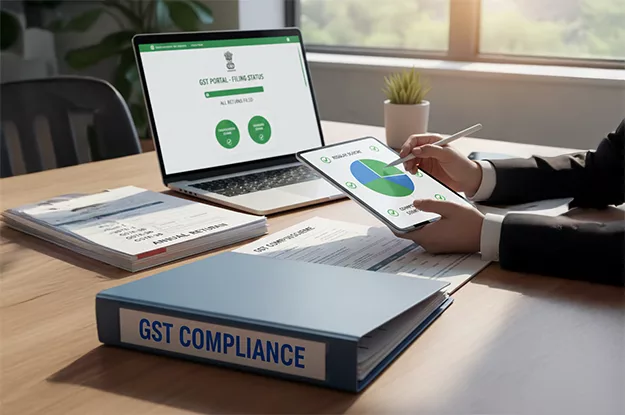
GST Filing 360°: GST, E-Invoicing, E-Way Bills & Annual Returns Made Simple

Why Manual Tax Determination Fails for High-Volume, Multi-Country Transactions
GST Filing 360°: GST, E-Invoicing, E-Way Bills & Annual Returns Made Simple

Key Features of an Invoice Management System Every Business Should Know

Automating the Shipping Bill & Bill of Entry Invoice Operations for a Leading Construction Company

From Manual to Massive: How Enterprises Are Automating Invoice Signing at Scale

AI-Powered Voice Assistant for Smarter Search Experiences

Cygnet.One’s GenAI Ideation Workshop

Our Journey to CMMI Level 5 Appraisal for Development and Service Model

Extend your team with vetted talent for cloud, data, and product work

Enterprise Application Testing Services: What to Expect

Future-Proof Your Enterprise with AI-First Quality Engineering

Cloud Modernization Enabled HDFC to Cut Storage Costs & Recovery Time

Cloud-Native Scalability & Release Agility for a Leading AMC

AWS workload optimization & cost management for sustainable growth

Cloud Cost Optimization Strategies for 2026: Best Practices to Follow
Cygnet.One’s GenAI Ideation Workshop

Practical Approaches to Migration with AWS: A Cygnet.One Guide
Tax Governance Frameworks for Enterprises
Cygnet Launches TaxAssurance: A Step Towards Certainty in Tax Management

10 Generative AI Use Cases Driving Enterprise Value

Navigating the Generative AI Landscape

Truly Rise with SAP: The Business Integrators Guide

Mastering SAP S/4HANA Migration: Essential Pre-Migration Strategies and Preparation

| Who / Applicability | Timeline / When | Model | Transaction Type | Format of e-Invoice | Additional Notes |
|---|---|---|---|---|---|
| Import / Export Businesses | February 2022 | CBN e-Invoicing (Trade Transactions) |
Cross-border
|
Electronic Trade Invoices | The Central Bank of Nigeria (CBN) introduced mandatory e-Invoicing for import and export transactions, marking Nigeria’s first formal e-Invoicing requirement. |
| Legal & Regulatory Framework | 18 September 2024 | Regulatory Foundation | — | — | FIRS introduced the Merchant Buyer Solution (MBS) legal framework, while NITDA published regulatory guidelines covering data formats, interoperability, and cybersecurity. |
| Selected Large Taxpayers (Pilot) | November 2024 – July 2025 | FIRS MBS – Voluntary Pilot (CTC Pre-Clearance) |
B2B
B2G |
BIS Billing 3.0 UBL (XML / JSON) | Pilot rollout for selected large taxpayers. Businesses connect through accredited Access Point Providers using the four-corner Peppol model with 55 mandatory invoice fields. |
| Large Taxpayers (Annual Turnover ≥ ₦5 Billion) | 1 November 2025 | FIRS MBS – Mandatory CTC Pre-Clearance |
B2B
B2G B2C |
BIS Billing 3.0 UBL (XML / JSON) with QR Code | Mandatory e-Invoicing for large taxpayers. Approved invoices receive a unique FIRS Invoice Number and QR code. B2C transactions above ₦50,000 require near real-time reporting. |
| Medium Taxpayers (₦1–5 Billion Turnover) | Pilot: Q2 2026 Go-live: 1 July 2026 Enforcement: January 2027 |
FIRS MBS – Phased CTC Pre-Clearance |
B2B
B2G B2C |
BIS Billing 3.0 UBL (XML / JSON) with QR Code | Medium taxpayers enter the phased rollout with pilot testing, followed by mandatory implementation and enforcement. |
| Small / Emerging Taxpayers (Annual Turnover < ₦1 Billion) | 2027–2028 (Expected) | FIRS MBS – CTC Pre-Clearance |
B2B
B2G B2C |
BIS Billing 3.0 UBL (XML / JSON) | Nationwide rollout is expected to extend e-Invoicing requirements to virtually all VAT-registered businesses by 2027–2028. |
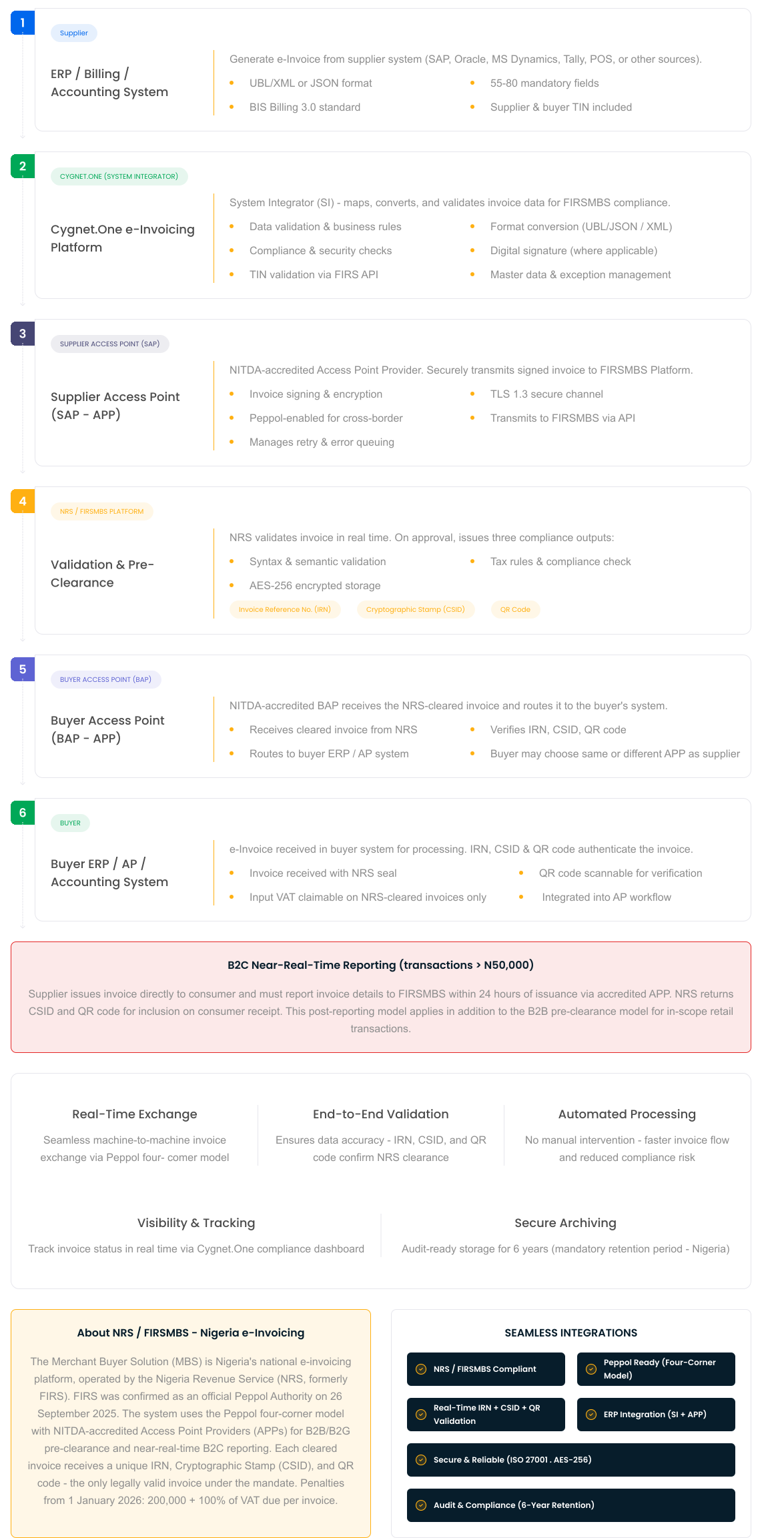
Cygnet.One connects your ERP and billing systems with JoFotora system with ISTD requirements to enable seamless validation, transmission, and compliance for B2B e-Invoicing in Jordan
Generate structured invoice data directly from your ERP, finance, or billing applications.
Validate tax data, business information, and invoice accuracy against German EN 16931 e-Invoicing requirements.
Transmit compliant e-Invoices securely through supported exchange channels such as Peppol or direct system integration.
Monitor invoice delivery, buyer acknowledgments, and processing status in real time.
Archive invoices and compliance documents securely for long-term retention and audit readiness.








Learn how to implement VAT compliance software with a step-by-step plan covering data integration, testing, and multi-country deployment.

The e-invoicing age is now here—and rapidly extending its reach. Read on to know about e-invoicing around the globe.
Businesses subject to VAT and FIRSMBS regulations must align with digital invoicing requirements.
Future mandates are expected to expand compliance scope.
e-Invoicing is expected to strengthen VAT reporting and transaction visibility for tax authorities. Businesses are evaluating how digital invoicing can improve VAT accuracy, reduce reconciliation challenges, and support audit readiness while minimizing compliance risks.
Nigeria’s e-invoicing model is being aligned with the Peppol framework, which raises questions about Access Point connectivity, document exchange networks, and whether businesses need certified providers to participate in the ecosystem.
This is one of the most practical concerns for manufacturers, distributors, and FMCG companies. Businesses need procedures for handling rejected invoices, correcting errors, and maintaining continuity in customer billing and tax reporting.